Quick Answer
Palmdale tends to win for newer subdivisions, broader commuter access, and a slightly more spread-out suburban feel, while Lancaster often wins on price, walkable pockets, and a more centralized Antelope Valley location. The better city depends on your budget, commute, school priorities, and tolerance for desert heat, wind, and long daily drives.

Palmdale vs Lancaster: The Real-World Relocation Decision
If you are comparing Palmdale vs Lancaster, you are really deciding between two neighboring Antelope Valley cities that share climate, geography, and many commuter realities, but differ in feel, housing stock, and everyday convenience. Both sit north of the San Gabriel Mountains along the high desert edge of Los Angeles County, where summer heat, low humidity, strong winds, and long drives shape daily life just as much as the housing market does.
Palmdale often feels more suburban and newer, especially in areas near Rancho Vista Boulevard, the Antelope Valley Mall corridor, and the developments stretching toward 47th Street East. Lancaster feels more centralized and established, with a civic core around Lancaster Boulevard, the Metrolink station, and neighborhoods that give you quicker access to local services. If you want a clearer answer: Palmdale is usually better for buyers seeking newer homes and a slightly more spacious lifestyle, while Lancaster can be better for affordability and convenience in specific pockets.
At-a-Glance Comparison
| Metric | Palmdale | Lancaster |
|---|---|---|
| Median Home Price | $530,000 | $495,000 |
| Crime Index | 62 | 58 |
| Typical Home Style | Newer tract homes, larger lots in some areas | Mix of older suburban homes and newer builds |
| Commute Access | Strong access via CA-14, Sierra Highway, Pearblossom Highway | Strong access via CA-14, Avenue K, Avenue I, and Metrolink |
| Overall Feel | More suburban and spread out | More centralized and civic-oriented |
Housing Market: Where Your Money Goes Further
In the Antelope Valley, housing is the biggest swing factor for most buyers. Palmdale generally commands a premium because of its newer subdivisions, upgraded finishes, and family-oriented neighborhoods near schools, parks, and shopping. Lancaster usually offers a lower entry price, which can make a meaningful difference for first-time buyers or anyone trying to preserve monthly cash flow.
Palmdale housing strengths
- More new construction and newer resale inventory
- Popular master-planned areas with wider streets and modern layouts
- Strong appeal for buyers seeking turnkey homes
- Good access to shopping near the Antelope Valley Mall and major arterials
Lancaster housing strengths
- Lower median price point in many neighborhoods
- More variety in home ages and lot sizes
- Potentially better value for buyers willing to update interiors
- Central location for residents who want quick access to downtown services
From a value perspective, Lancaster can be the smarter play if you want a lower purchase price and do not mind a home that may need cosmetic work. Palmdale is often the better choice if you prefer a newer roofline, more efficient floor plans, and less immediate renovation risk.
Neighborhood Feel: Suburban Spread vs Central Convenience
The vibe difference between the two cities is real. Palmdale stretches wider and often feels more residential, with neighborhoods that reward drivers who want newer infrastructure and a little more breathing room. Lancaster feels denser in its core, especially closer to the civic center, downtown arts district, and transit-oriented areas around the Metrolink station.
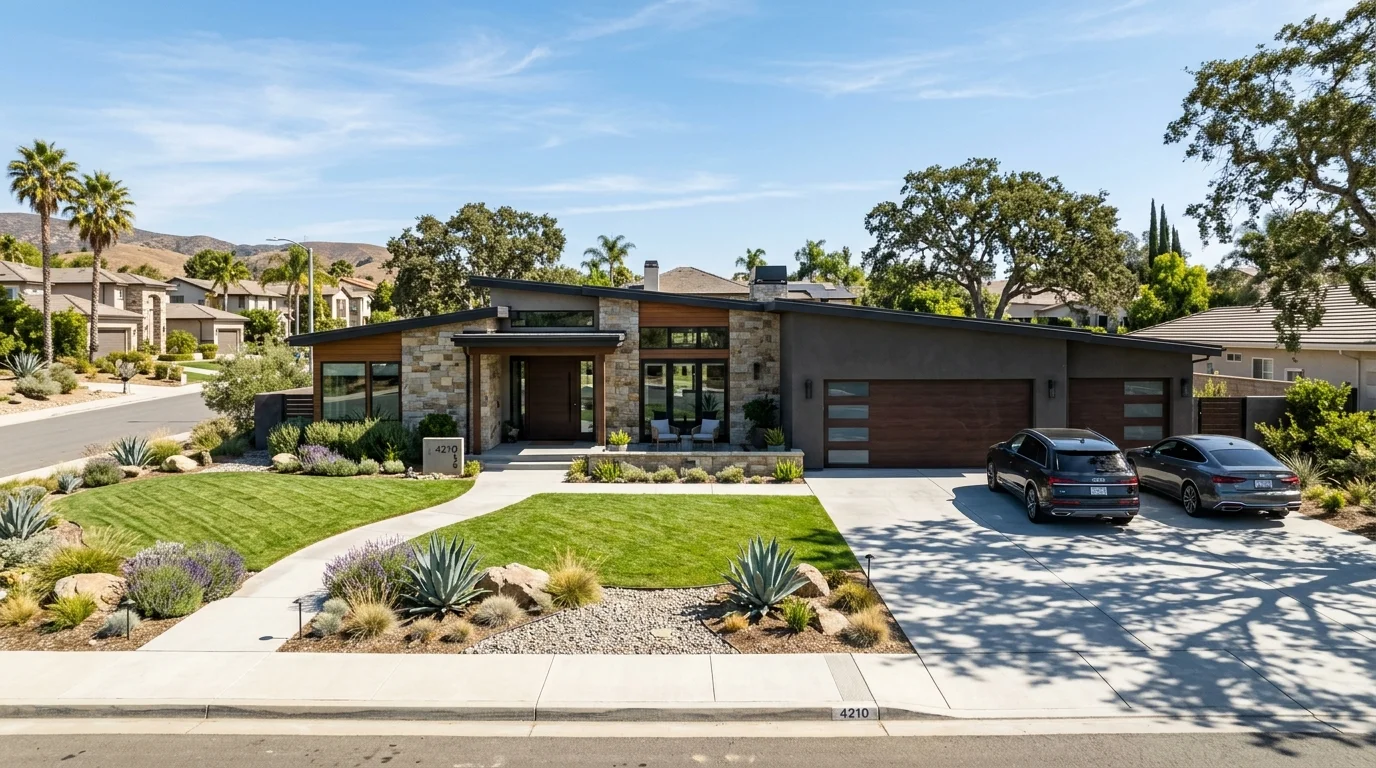
“Choose the city that matches your daily rhythm, not just your mortgage payment. In the Antelope Valley, commute patterns, school routes, and summer heat matter as much as the price tag.”
If you like a more polished suburban environment with newer homes and shopping nodes, Palmdale usually feels more comfortable. If you prefer being closer to the center of activity, with easier access to downtown Lancaster and a somewhat more compact driving pattern, Lancaster may fit better.
Commute and Transportation: CA-14 Shapes Both Cities
For many residents, the commute question starts and ends with the CA-14 Antelope Valley Freeway. Both cities rely heavily on it for travel to Santa Clarita, the San Fernando Valley, and ultimately greater Los Angeles. If you work in the Los Angeles basin, expect a serious daily drive, regardless of which city you choose. The difference is how efficiently you can reach the freeway, the Metrolink, and the specific arterial roads that connect your home to the rest of the valley.
Palmdale commute notes
Palmdale residents often use Sierra Highway, Avenue S, 10th Street West, and Rancho Vista Boulevard to reach major corridors. Homes closer to the freeway or the Metrolink station can offer a better commute profile. If you live farther east or south, your daily drive can stretch quickly.
Lancaster commute notes
Lancaster benefits from a more centralized grid and direct access to the Metrolink station, which matters if you prefer rail over highway traffic. Avenue K, Avenue I, and routes near downtown can be practical for getting around town. For commuters who want a tighter city layout, Lancaster can feel slightly less sprawling.
For those heading south, the real question is not just distance but consistency. Winds, traffic incidents, and weekend congestion on CA-14 can affect both cities equally. If you commute often, proximity to your preferred access point matters more than the city name on your address.
Schools and Family Life
Families comparing Palmdale vs Lancaster often focus on school assignment, park access, and neighborhood stability. Both cities have a broad mix of school options, and the right fit depends on the specific attendance zone rather than citywide generalizations. Still, Palmdale often attracts buyers looking for newer residential areas near family amenities, while Lancaster appeals to those who want central access to services and a wide range of housing choices.
For school-sensitive buyers, it is smart to research exact boundaries and review trusted public data before making a decision. The National Center for Education Statistics is a helpful place to compare district and school-level information.
What families usually care about
- Commute time to school and work
- Age and condition of nearby homes
- Park access and youth recreation options
- Noise levels, traffic, and street parking
- Long-term neighborhood stability
Palmdale is often favored by families wanting newer subdivisions near parks and community amenities. Lancaster can be attractive for families who want a more affordable entry point and do not mind evaluating neighborhoods carefully block by block.
Safety: A Nuanced Comparison, Not a Simple Winner
Safety comparisons in any city should be handled carefully and at the neighborhood level. Citywide statistics can be useful, but they do not tell the full story. In both Palmdale and Lancaster, one street can feel dramatically different from the next depending on lighting, traffic patterns, property upkeep, and proximity to commercial corridors.
Broadly speaking, Lancaster’s crime index is slightly lower in the provided data, but that does not automatically make it the better choice for every buyer. Palmdale’s more suburban layout can feel calmer in certain residential tracts, while Lancaster’s more centralized areas may offer better visibility and convenience. Your best move is to compare exact streets, recent sales, and local conditions rather than rely only on a citywide average.
Climate and Everyday Comfort in the High Desert
Both cities share the same Antelope Valley climate realities: intense summer sun, dry air, dust, and periodic winds that can make the season feel harsher than the thermometer suggests. Homes in both cities must handle HVAC demands, UV exposure, and occasional dust intrusion. Landscaping choices matter too; drought-tolerant yards perform better than thirsty lawns in this environment.
Palmdale and Lancaster also experience cold winter mornings and dramatic day-night temperature swings. If you are moving from coastal Los Angeles, the dryness can be a surprise. Window quality, insulation, and shade coverage should all factor into your purchase decision.
Shopping, Dining, and Daily Convenience
Palmdale offers convenient retail access near the Antelope Valley Mall, major shopping centers, and restaurants along Avenue S and Rancho Vista Boulevard. That makes day-to-day errands straightforward for residents in western and central Palmdale. Lancaster has strong convenience around Lancaster Boulevard, Avenue K, and the surrounding commercial corridors, plus local civic and cultural activity that gives the city a more downtown-oriented rhythm.
For people who want a more suburban one-stop-shopping pattern, Palmdale often feels easier. For residents who like a city center with a more identifiable core, Lancaster has a slight edge.
Which City Is Better for Different Types of Buyers?

Choose Palmdale if you want:
- Newer homes and master-planned neighborhoods
- A more suburban, spacious feel
- Strong access to retail and newer developments
- A home that feels turnkey from day one
Choose Lancaster if you want:
- Lower average home prices
- Better value for buyers open to updates
- A more centralized city layout
- Convenience near downtown and transit
For investors, Lancaster may offer stronger entry-level affordability, while Palmdale can appeal to renters and owners who prioritize newer product and family-friendly demand. For move-up buyers, Palmdale often aligns better with lifestyle expectations. For budget-conscious buyers, Lancaster is frequently the more practical route.
Final Verdict: Palmdale vs Lancaster
So, which city is better? If you want the safer bet for newer housing, suburban comfort, and a more modern residential atmosphere, Palmdale usually comes out ahead. If you want a lower purchase price, a more centralized location, and a city that can be easier on your budget, Lancaster often wins.
The best answer depends on your priorities:
- Best for newer homes: Palmdale
- Best for affordability: Lancaster
- Best for central convenience: Lancaster
- Best for suburban feel: Palmdale
- Best for family buyers wanting move-in ready inventory: Palmdale
For most relocating buyers, the smartest strategy is to compare specific neighborhoods, commute routes, and school zones rather than trying to crown one city as universally superior. In the Antelope Valley, the right home on the right street matters more than a blanket city ranking.
FAQ
Is Palmdale nicer than Lancaster?
Palmdale often feels newer and more suburban, which some buyers interpret as “nicer.” Lancaster can be equally appealing if you value affordability, central access, and a more established city layout. The better city depends on the neighborhood and home condition.
Which city is cheaper, Palmdale or Lancaster?
Lancaster is generally cheaper on average, based on the figures provided. That lower price point can make it attractive for first-time buyers or anyone trying to maximize monthly affordability.
Which city is better for commuting to Los Angeles?
Neither city is ideal for a Los Angeles Basin commute, but both have access to CA-14 and Metrolink. The better option depends on your exact route, where you work, and how close you live to freeway access or the train station.
Which city is better for families?
Palmdale is often preferred by families who want newer neighborhoods and a more suburban environment. Lancaster can also work well for families, especially if price and central convenience are top priorities.
What should I look at before choosing between the two?
Focus on neighborhood-level safety, school boundaries, commute time, home age, HOA rules, and how well the property handles desert heat and wind. Those details matter more than the city name alone.