Quick Answer
BLUF: Santa Clarita is usually the better fit for buyers who want stronger schools, a more polished suburban feel, and easier access to the 5 Freeway and greater LA amenities. Palmdale often wins on price, space, and desert-adjacent value, especially for commuters prioritizing affordability over commute time.
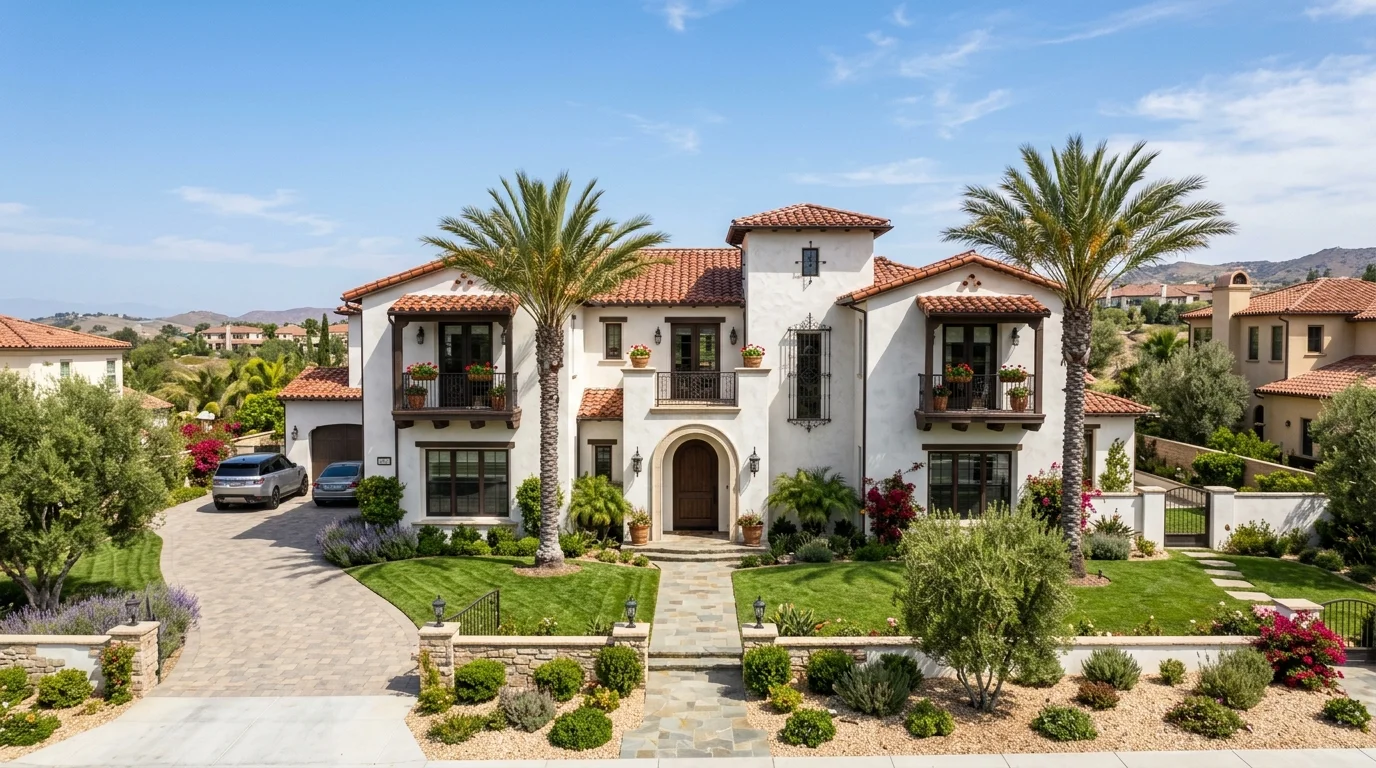
Palmdale vs Santa Clarita: The Real Relocation Question
If you’re deciding between Palmdale and Santa Clarita, you’re really choosing between two very different Southern California lifestyles. Palmdale sits higher in the Antelope Valley with a more open, high-desert feel, while Santa Clarita offers a cleaner, more suburban, master-planned experience closer to the San Fernando Valley and core Los Angeles job centers. Both cities attract families, commuters, and first-time buyers, but the “better” city depends on budget, commute tolerance, school priorities, and how much everyday convenience matters to you.
For relocation buyers, this isn’t just about home prices. It’s about where your mornings start, how long you’ll spend on the road, what your weekends look like, and whether you want dry desert heat or a more temperate inland-valley climate. It also matters how each city connects to the rest of LA via the Antelope Valley Freeway, the 14 Freeway corridor, and the Santa Clarita access points to the 5 Freeway.
At a Glance: Key Differences
| Category | Palmdale | Santa Clarita |
|---|---|---|
| Median home price | Typically lower | Typically higher |
| Commute to LA | Longer, more challenging | More practical for many commuters |
| School reputation | Mixed, neighborhood dependent | Generally stronger overall |
| Climate | Hotter, drier, windier | Milder, still inland but less extreme |
| Housing inventory | More space for the money | More competitive, more established demand |
Housing Market Comparison
Palmdale: More House for the Money
Palmdale is often the choice for buyers who want more square footage, larger lots, or newer construction at a lower entry point. In neighborhoods stretching near Avenue S, 47th Street East, and along the corridors toward Quartz Hill and Lancaster borders, you’ll commonly find a value-driven market where buyers can stretch into larger single-family homes without crossing into the price tiers seen farther south.
This matters if you’re relocating from a more expensive part of LA County and want a yard, a three-car garage, or a dedicated office without blowing the budget. Palmdale can also appeal to investors and move-up buyers who are willing to trade commute convenience for space and affordability.
Santa Clarita: Higher Demand, Stronger Resale Appeal
Santa Clarita tends to command a premium because of its reputation for planned communities, school quality, and relative convenience to job centers in the San Fernando Valley, Burbank, and even parts of central Los Angeles. Communities near Valencia, Stevenson Ranch, Saugus, and Canyon Country often attract buyers who want a polished suburban environment with well-maintained retail corridors, trail systems, and predictable neighborhood standards.
Even when prices are higher, many buyers view Santa Clarita as a safer long-term resale bet. The city’s demand is supported by strong lifestyle appeal, commuter access, and the perception of “move-in-ready suburb” living.
Commute and Connectivity
For many relocating households, commute reality decides the winner. Palmdale is connected primarily through the State Route 14 corridor, which can become punishing during peak traffic. If you’re driving toward the San Fernando Valley or beyond, those miles add up quickly. By contrast, Santa Clarita sits in a much more strategic position for commuters using the I-5 corridor, especially if your office is in Valencia-adjacent business parks, Burbank, Glendale, or the northwest edge of greater LA.
Santa Clarita also offers easier access to everyday regional travel, whether you’re heading toward Magic Mountain Parkway, Newhall Ranch Road, or commuter-friendly routes into the valley. Palmdale’s geography is more isolated, which is not necessarily bad if you prefer open desert edges and a less dense environment, but it does mean you should be honest about your driving patterns before buying.
If you commute five days a week, Santa Clarita usually feels easier. If you work remote, hybrid, or only head west occasionally, Palmdale’s affordability becomes much more compelling.

Schools and Family Appeal
Santa Clarita’s Stronger Reputation
Families often lean toward Santa Clarita because of its generally stronger school reputation and the way the city is organized around family-oriented communities. Neighborhoods in Valencia, Saugus, and parts of Stevenson Ranch are frequently sought after by buyers who prioritize school districts, parks, and after-school convenience. The overall feeling is structured, clean, and family-friendly, which matters for households that want stability and predictable neighborhood quality.
That said, school fit can vary by address, so buyers should always verify current boundaries and school assignments before making assumptions. For families with long-term plans, Santa Clarita’s educational reputation can be a major deciding factor.
Palmdale’s Value-Oriented Family Living
Palmdale offers family living too, but the experience is different. You’ll often find larger homes and more yard space, which can be a huge plus for kids, pets, and multigenerational households. The tradeoff is that the city’s school and neighborhood reputation is more variable from area to area. Buyers should evaluate specific pockets carefully, especially if their priority is walkability, extracurricular convenience, or a more polished suburban feel.
For some families, the larger homes and lower price points make Palmdale the practical winner. For others, Santa Clarita’s overall consistency is worth the premium.
Safety, Neighborhood Feel, and Daily Lifestyle
Safety perceptions matter in relocation decisions, but they should be viewed alongside neighborhood character, street conditions, and how the city functions day to day. Santa Clarita generally enjoys a stronger reputation for cleanliness, maintained infrastructure, and overall suburban order. Many buyers describe the city as calmer, more polished, and easier to navigate for errands, school drop-offs, and weekend routines.
Palmdale, on the other hand, has a more spread-out, high-desert environment. Some neighborhoods feel quiet and spacious, while others may feel less cohesive or more car-dependent. The lifestyle is not “better” or “worse” in a universal sense; it is simply more utilitarian and less curated than Santa Clarita. If you prefer wide-open skies, less congestion, and a more affordable home base, Palmdale can be a strong fit.
Climate Considerations
Climate is a bigger deal than many buyers expect. Palmdale’s desert conditions mean hotter summers, stronger winds, drier air, and more intense temperature swings. That can affect everything from energy bills to outdoor comfort. Santa Clarita is still inland and warm in summer, but it generally feels less severe and more livable year-round. For buyers sensitive to heat, dust, and harsh sun exposure, Santa Clarita often feels easier to live with.
Cost of Living Beyond the Mortgage
One of the biggest mistakes relocation buyers make is comparing only home prices. The real picture includes gas, commute costs, insurance, maintenance, utilities, and the value of your time. Palmdale may offer lower mortgage payments, but longer drives can increase fuel use and wear on your vehicle. In hot desert conditions, utilities can also rise during summer months.
Santa Clarita’s higher purchase prices may be offset in part by better commute efficiency for many workers and a more convenient daily routine. You may also spend less on time lost in traffic, which is hard to quantify but very real. For buyers whose careers keep them tied to the LA basin, Santa Clarita often produces a better “life cost” even if the home price is higher.
Who Should Choose Palmdale?
- You want the lowest possible entry price for a detached home in this comparison.
- You need more square footage, larger lots, or a newer build without moving deeper into LA pricing.
- You work remotely, hybrid, or locally in the Antelope Valley.
- You prefer a more open, desert-style environment and don’t mind hotter summers.
- You value affordability over commute convenience and polished suburban branding.
Who Should Choose Santa Clarita?
- You want stronger schools and a more established family-friendly reputation.
- You commute toward the San Fernando Valley, Burbank, Glendale, or central LA areas.
- You prefer a cleaner, more suburban feel with better day-to-day convenience.
- You’re willing to pay more for resale strength and lifestyle consistency.
- You want access to trails, shopping, dining, and planned neighborhoods in one place.

External Data Point That Matters
For buyers evaluating regional trends, it helps to look at broader housing and population context rather than relying on anecdotes alone. The U.S. Census Bureau provides useful local statistics for understanding how communities grow and change over time: U.S. Census Bureau.
Local Lifestyle: What It Actually Feels Like to Live There
Santa Clarita feels like a place built for routines that run smoothly. Think school drop-offs, sports practices, shopping at The Old Town Newhall area, weekend hikes, and easy access to parks and retail without a lot of friction. It’s the kind of city where neighborhood quality and city planning are part of the appeal.
Palmdale feels more spacious and less managed. It can be a better match for buyers who want elbow room, a quieter pace, and a more budget-friendly foothold in Southern California. If you’re okay driving farther for dining, entertainment, or major employment centers, Palmdale can feel like a smart tradeoff rather than a compromise.
Final Verdict: Which City Is Better?
If you want the better all-around relocation choice for most families and commuters, Santa Clarita usually wins. It offers stronger schools, better freeway positioning, a more refined suburban feel, and stronger long-term demand. If your top priority is value, space, and affordability, Palmdale can absolutely be the smarter financial move.
So the real answer is this: Santa Clarita is better for lifestyle and convenience, while Palmdale is better for price and space. The right city depends on whether you’re buying with your commute, your kids, or your monthly budget in mind.
FAQ
Is Palmdale cheaper than Santa Clarita?
Yes, Palmdale is generally more affordable, especially for detached homes and larger properties.
Which city has better schools?
Santa Clarita generally has the stronger overall school reputation, though exact fit depends on the address and school boundaries.
Is Santa Clarita better for commuters?
Usually yes, especially for people traveling into the San Fernando Valley or other parts of greater Los Angeles.
Which city is better for first-time buyers?
Palmdale can be better for first-time buyers focused on budget, while Santa Clarita may be better for those prioritizing lifestyle and resale value.
Which city has the better quality of life?
For many people, Santa Clarita has the stronger overall quality of life. Palmdale can still be a great fit if affordability matters most.